Boiler Quality Steel Plates Explained
Boiler Quality (BQ) steel plates are critical materials designed to operate under severe pressure and temperature conditions. This guide explains what BQ plates are, their applications, and the standards that govern their use.
What are BQ Plates?
Boiler Quality (BQ) plates are specialized carbon steel plates engineered to withstand high internal pressure. They are manufactured with strict quality control to prevent brittle fracture and ensure structural integrity in critical environments.
Pressure Vessel Applications
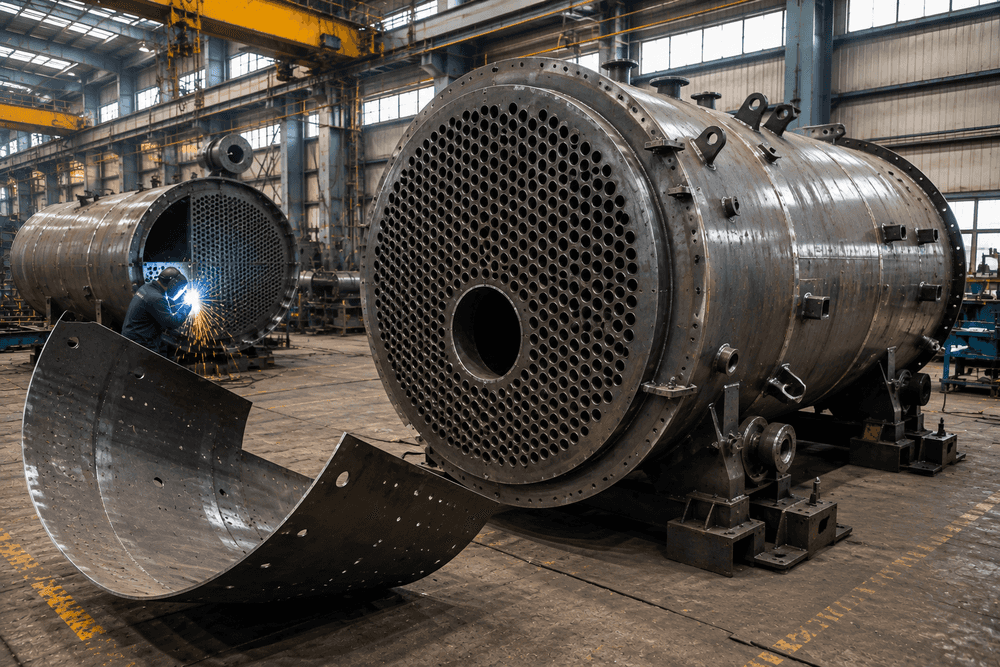
BQ plates are the primary material used in the construction of pressure vessels, industrial boilers, heat exchangers, and storage tanks for compressed gases.
ASTM and IS Standards
Quality is governed by strict international and national standards. Common ASTM grades include ASTM A516 (Grades 60, 65, 70), while in India, IS 2002 is the standard for BQ plates used in pressure vessels.
Temperature Resistance and Welding Properties
These plates maintain their strength and toughness at both elevated and sub-zero temperatures. They also possess excellent weldability, ensuring that seams in pressure vessels are as strong as the parent material.
Industries Using BQ Plates
Key industries include oil and gas refineries, petrochemical plants, power generation facilities, and the chemical manufacturing sector.
Conclusion
Selecting the right Boiler Quality plate is a matter of safety and compliance. Always ensure your plates come with proper mill test certificates and meet the required ASTM or IS standards.
Get a Free Consultation